Over the centuries, the concept of beauty in France has undergone fascinating transformations, reflecting the cultural, social, and artistic currents of each period. From the Middle Ages, where spirituality and modesty prevailed, to the Renaissance, a period celebrating classical forms and harmony, to modernity and its constant quest for individualism and innovation, aesthetic standards have continually evolved. This evolution is a testament to a permanent dialogue between the ideals of the time and the representations of the body and face. Examining these transformations allows us to understand not only the history of beauty but also that of French society itself.
From Idealization to Diversification: The Evolution of Beauty Standards in France
Feminine beauty, a timeless and evolving concept, has always been represented by artistic representation, the means by which beauty standards are expressed and culturally transmitted. From the enigmatic Venus of Willendorf, a symbol of fertility, to the slender and muscular silhouette of Ahmès-Néfertary, beauty has evolved according to the canons of each era. Beauty in the Middle Ages was characterized by purity and modesty, while the Renaissance celebrated femininity and harmonious body proportions. These changes reflect how feminine beauty is constantly defined by the aesthetic norms of its time.
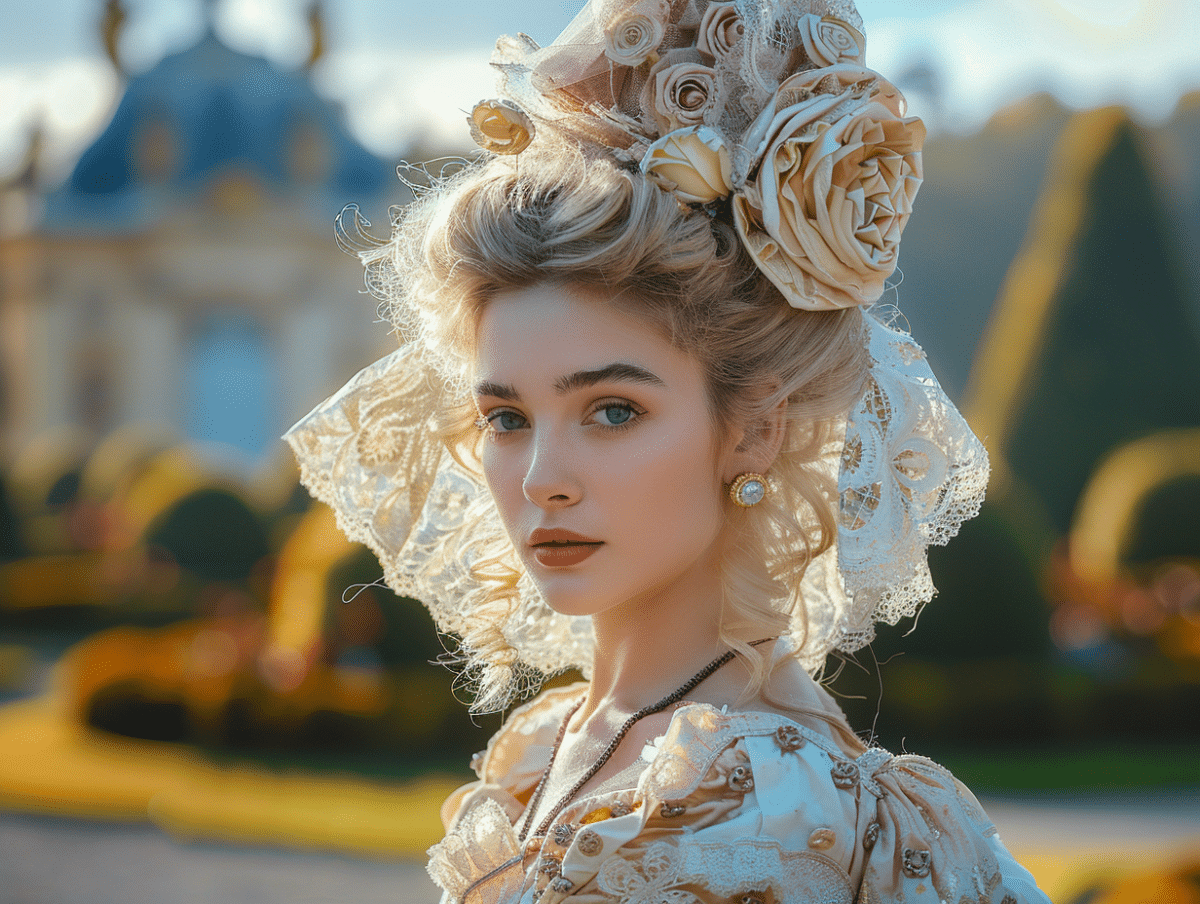
The classical period, for its part, saw the emergence of new norms advocating naturalness and sensuality, embodied by figures such as Marie Antoinette, whose style influenced the beauty standards of her time. The female body adorned itself with abundant hair and accentuated curves in the 18th and 19th centuries. The 20th century, with icons like Marilyn Monroe, marked a turning point towards sexualization and health, illustrating a constant evolution of aesthetic ideals.
In the current context, beauty is characterized by an unprecedented diversification. The most beautiful woman in France, Betul, with her plurality of origins and features, illustrates this trend towards inclusivity and acceptance of different forms of beauty. Contemporary society, influenced by social media and current aesthetic trends, now values authenticity and uniqueness, signifying a liberation from old canons and an openness to the diversity of beauties.
Contemporary French Beauty: Between Historical Heritage and Modern Influences
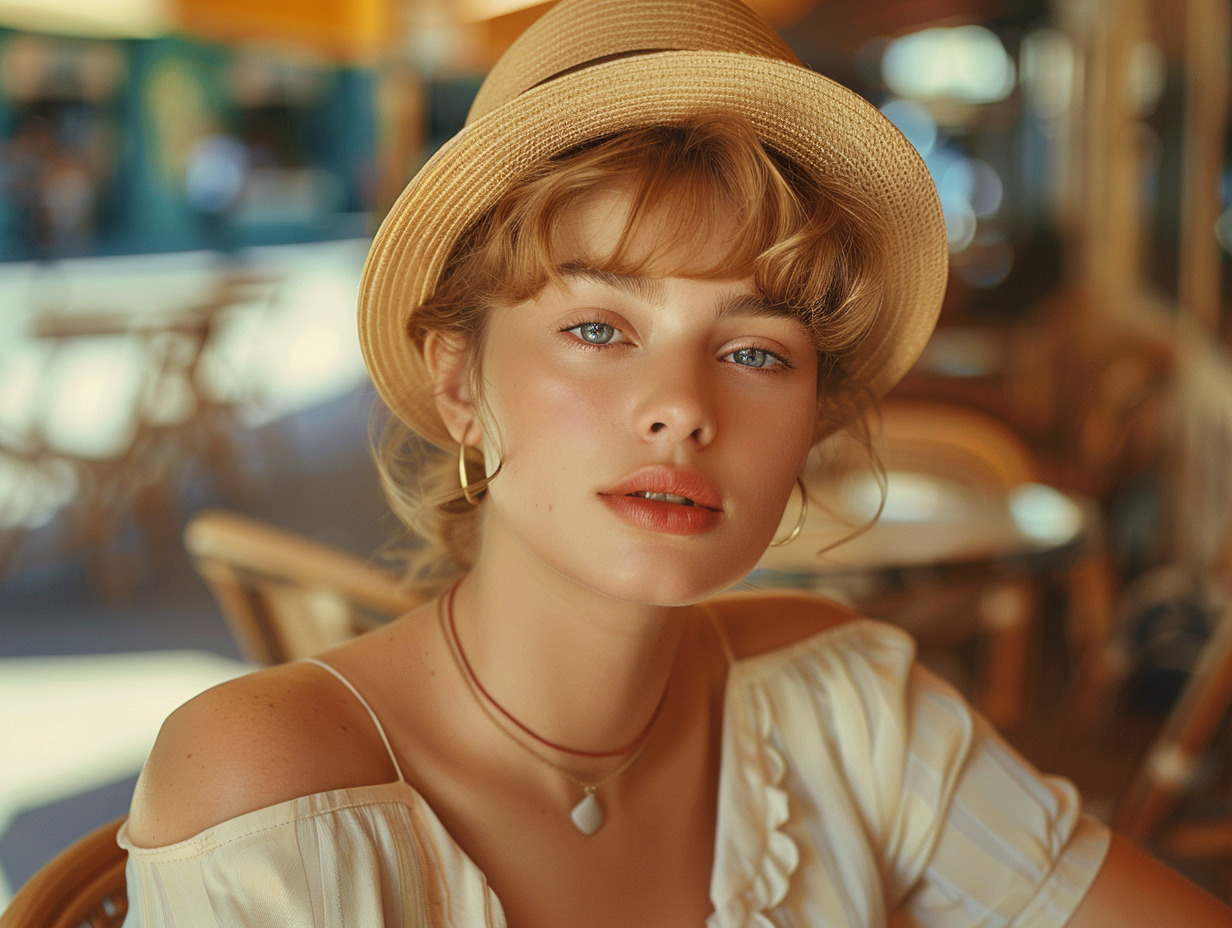
Contemporary French beauty is part of a complex trajectory, shaped by a rich historical heritage and relentless modern influences. Clothing and accessories, always at the heart of fashion, continue to play a predominant role in the representation of feminine beauty. Their styles evolve, but their importance remains, reflecting the impact of aesthetic trends on the perception of beauty. Fashion, a reflection of society, contributes to the redefinition of beauty standards, integrating historical elements while projecting into the future.
Social media and beauty are now inseparable in the construction of modern feminine ideals. These digital platforms amplify and disseminate aesthetic trends at lightning speed, giving rise to new beauty models. The impact of social media on concepts associated with feminine beauty, such as fertility, youth, purity, sensuality, naturalness, eroticization, and health, is undeniable. These abstract ideas blend and transform, giving birth to a modern feminine ideal that embraces diversity and individuality.
In the face of this cultural effervescence, society and beauty maintain a constant dialogue. A plurality of forms, colors, and expressions gradually replaces the old monolithism of aesthetic canons. The beauty of the body is democratized and breaks free from previously imposed limits. The trend is towards inclusion, recognition of the multiple facets of feminine identity, and the valorization of each individual beyond conventions. Note this evolution: it marks a turning point in how we perceive and celebrate beauty in France.