The spring-summer 2026 season marks a turning point in how fashion trends are constructed and disseminated. Between heritage reissues, technical textiles integrated into ready-to-wear, and generative AI tools that disrupt moodboards, the wardrobe is reconfigured around less seasonal and more strategic logics.
Adaptive textiles and functional materials in ready-to-wear
Comfort is no longer enough as a selling point. What distinguishes current collections is the integration of technical textiles from sportswear into everyday wardrobe pieces: wireless bras made from adaptive fabric, pants with thermoregulating fibers, breathable linings on structured jackets.
This trend goes beyond the athleisure segment. We observe that mid-range and high-end ready-to-wear brands are adopting these materials to meet a specific expectation: to wear a structured silhouette without sacrificing mobility or thermal comfort in daily life.
The result on the runways and in stores translates to hybrid pieces. A flowing dress may incorporate technical jersey usually reserved for sports underwear. A tailored skirt adopts an invisible elastic waistband. These textile choices, long perceived as aesthetic compromises, become differentiation arguments, especially among clients who follow the fashion section on Actu Web to identify pieces that are truly wearable beyond a runway show.
Archive drops and reissues: the heritage strategy of luxury houses
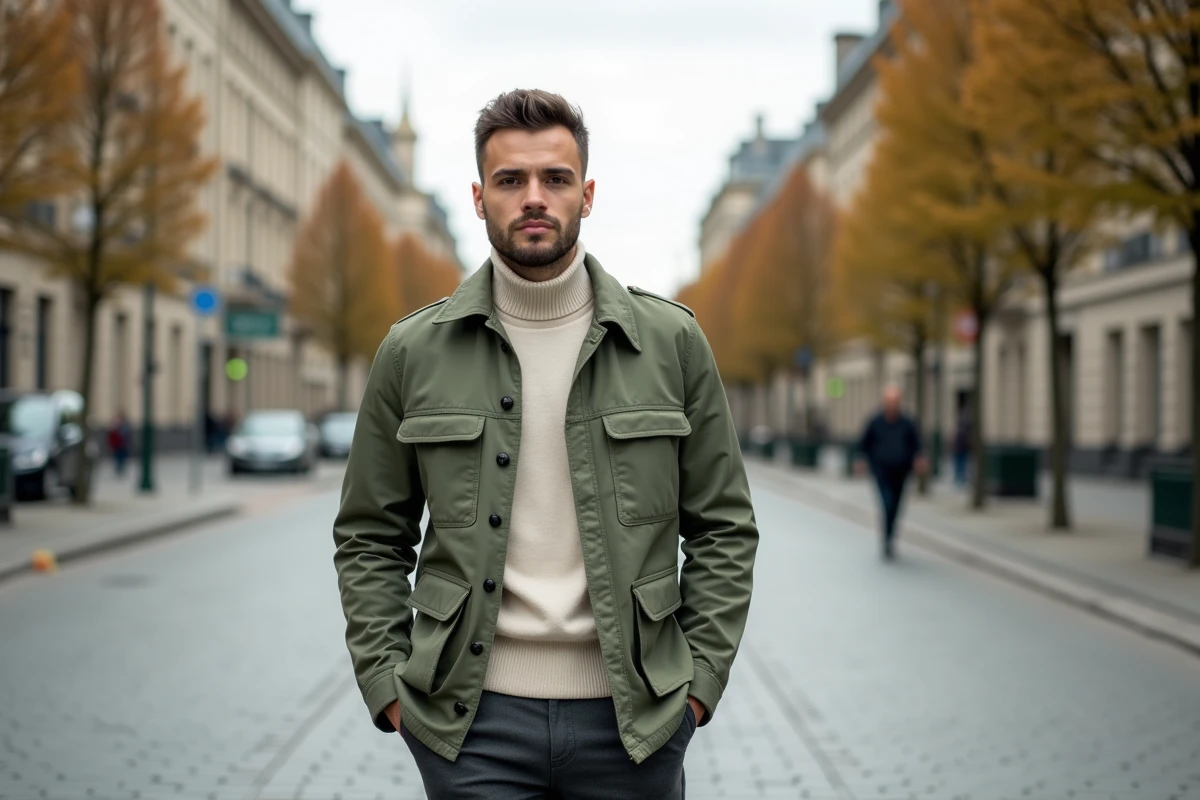
Gucci and Prada are among the houses that have systematized the reissues of iconic pieces from the 1990s and 2000s. The term archive drops refers to these capsules built around historical models, repositioned with a focus on sustainability and heritage value.
This marketing archive logic is now integrated into official calendars: pre-collections, dedicated capsules, collaborations with resale platforms. The objectives are twofold.
- To feed the second-hand market with recognizable and traceable pieces, which increases the perceived value of the brand in the long term.
- To reduce creative pressure on artistic directors by interspersing heritage drops between two new collections.
- To capture a younger clientele, familiar with vintage but sensitive to the authenticity guarantee offered by an official reissue.
Pure novelty takes a back seat to stylistic recognition. A bag or a print already identified in the collective visual culture generates quicker engagement on social media than an original piece without reference.
Generative AI and the dissemination of fashion trends beyond runways
Several creative studios openly communicate about the use of generative AI tools to test combinations of colors, materials, and silhouettes from the moodboard phase. The creative process does not fundamentally change, but the speed of iteration accelerates.
On the consumer side, content tagged “AI outfit ideas” or “AI generated lookbook” is multiplying on Instagram and TikTok. These visuals serve as a source of inspiration before purchase and reconfigure the dissemination of trends outside of runways and magazines.
We recommend not underestimating this phenomenon. When a user generates a complete look via an AI tool, they are not looking for a specific piece: they are seeking a stylistic direction. Brands that structure their offerings around readable silhouettes (dominant color, identifiable cut, signature accessory) capture this flow of inspiration better than those that rely on textile subtlety.
Key colors and silhouettes for spring-summer 2026
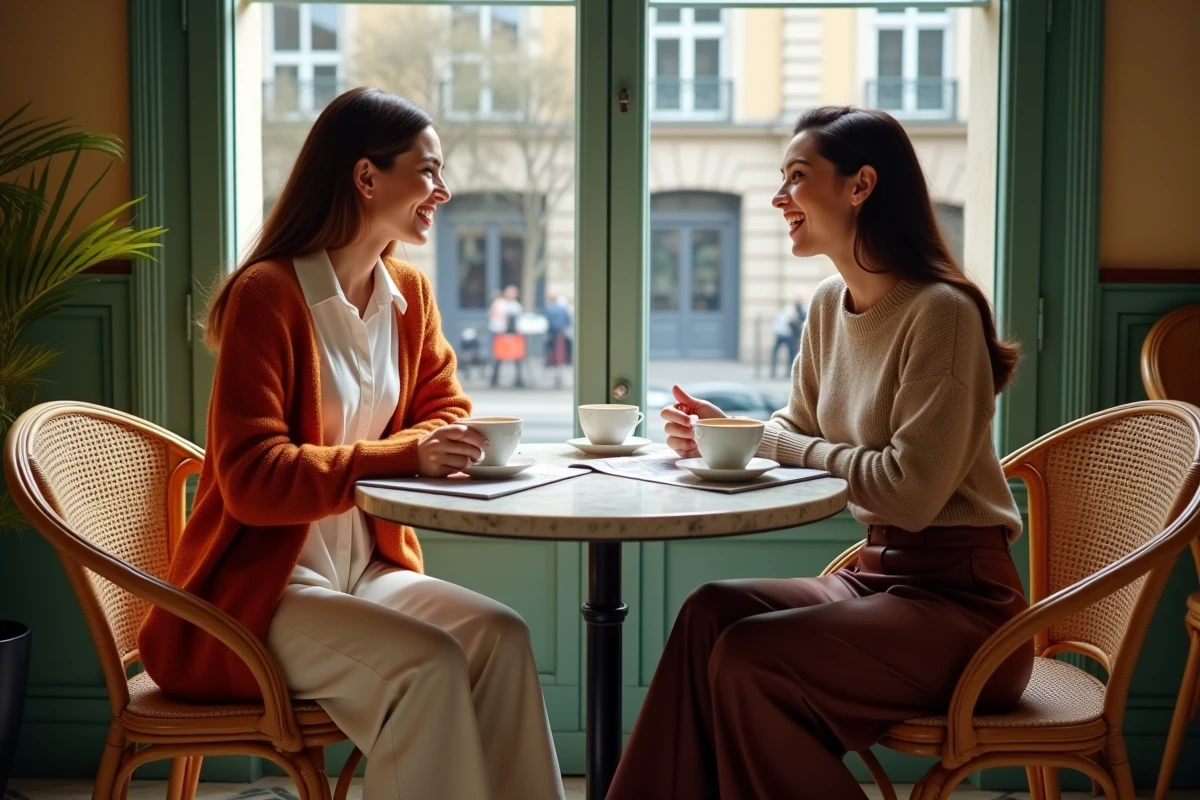
Yellow, brown, and blue dominate the summer palette. Butter yellow, in particular, stands out as the season’s key color, worn in a total look or as a statement piece against a neutral base.
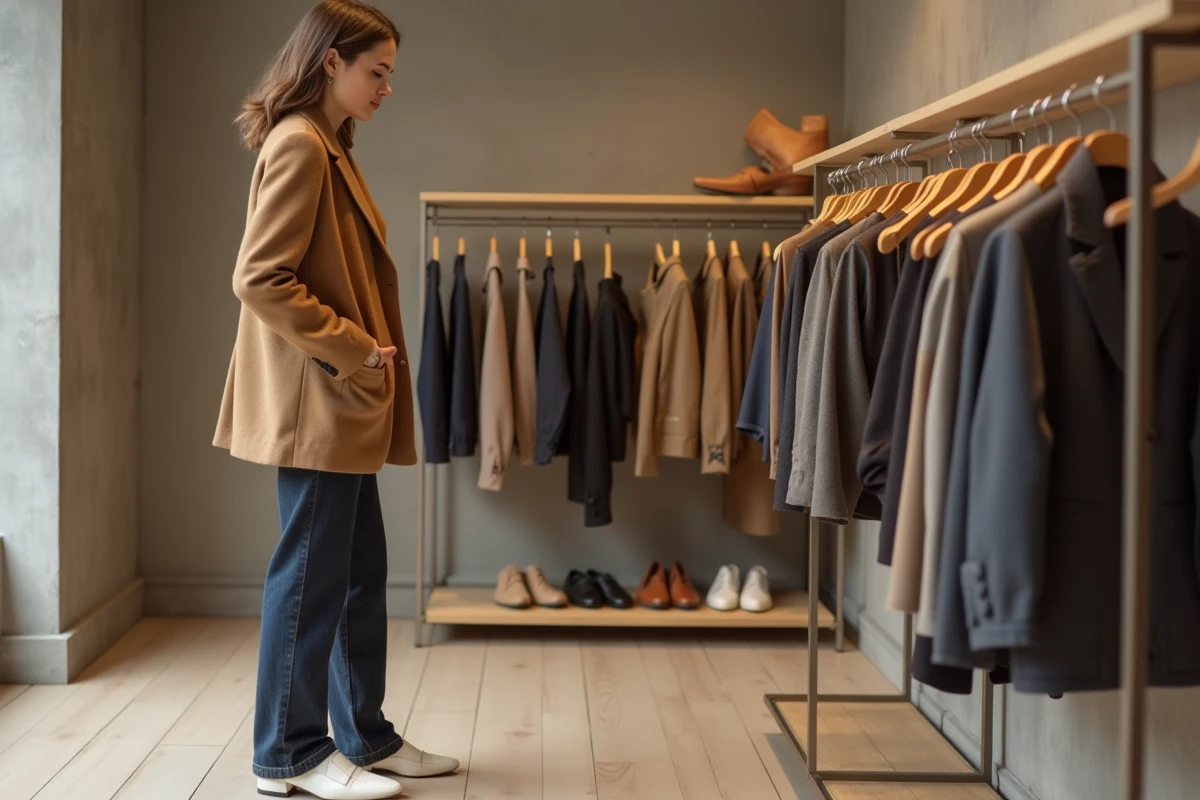
In terms of cuts, the bermuda and structured midi skirt return with a more architectural than casual approach. The barrel jean, wide and slightly tapered at the bottom, confirms its place in the denim wardrobe after several seasons of rising prominence.
Prints and textures to watch
Floral prints remain present but are rendered in larger, almost graphic scales. Lightweight leather, worked in thin thickness for summer, appears on short jackets and structured accessories. The trend is no longer for leather as a marker of the cold season: thin leather becomes a four-season material.
The oversized sweater, usually associated with winter, is reinterpreted in open-knit and lightweight cotton for spring. This piece functions as an intermediary between a jacket and a t-shirt, suitable for temperature variations in mid-season.
Sustainable fashion and resale value wardrobe
The convergence of archive drops, sustainable textiles, and resale expectations is reshaping purchasing criteria. A piece is no longer evaluated solely on its aesthetics or price but on its ability to retain market value after several seasons.
This shift pushes brands to prioritize identifiable designs, durable materials, and meticulous finishes. The return of bold colors and sharp cuts contributes to this logic: a recognizable garment resells better than an anonymous basic.
Current collections reflect a clear trade-off between creativity and commercial longevity. For the discerning consumer, the question is no longer just “do I like this outfit” but “will this piece retain its stylistic relevance in two or three years.” Current fashion trends reward those who view their wardrobe as an investment rather than a series of seasonal purchases.