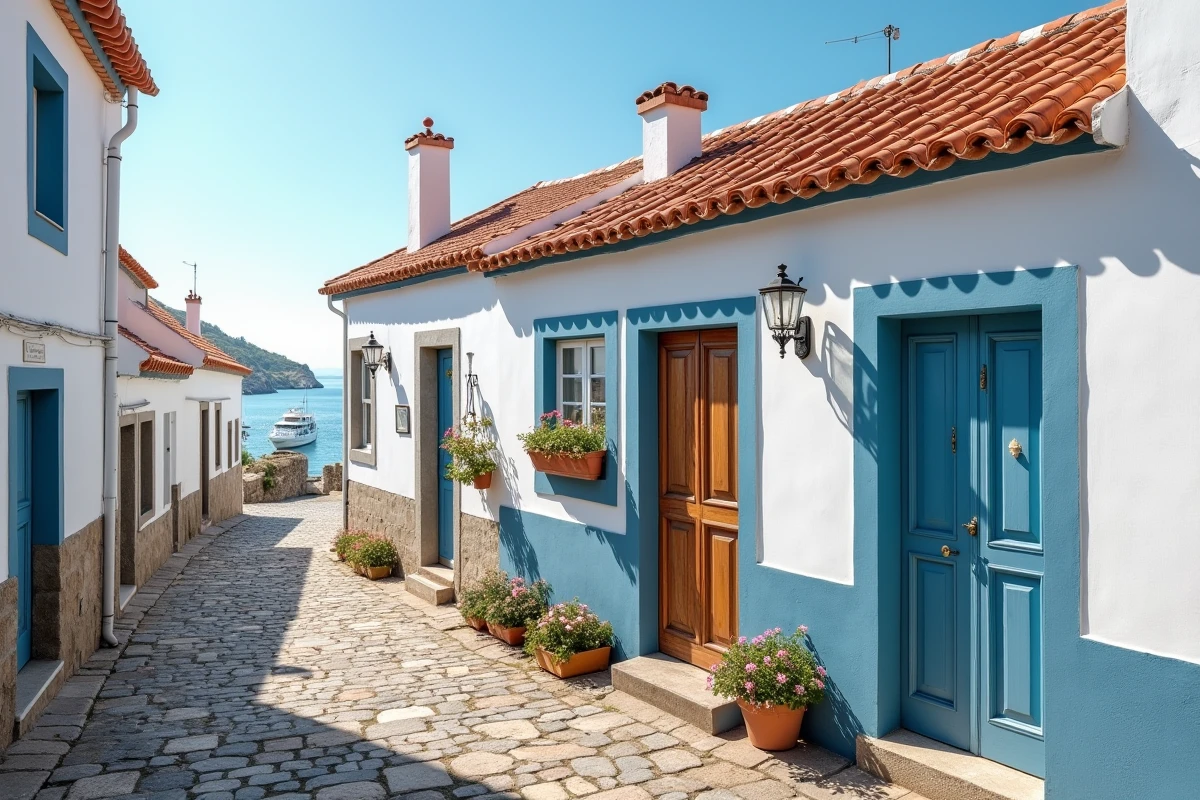
Finding a fisherman’s house in Portugal often means falling in love with a lime-washed facade before even checking if the property holds up technically and financially. The charm works against the buyer: it encourages acceptance of an inflated price, a fragile location, or a vague legal status. It’s better to apply the right filters before visiting than to negotiate a structural problem afterward.
Coastal risk and coastal management plan: the filter that no one looks at first
Have you spotted a small house just steps from the ocean, with a terrace facing the waves? Before planning your summer evenings, check one thing: the coastal management plan of the municipality. This document, available from the câmara municipal, indicates whether the plot is located in an area exposed to coastal retreat.
A property situated in a risk zone can lose value in just a few years, or even become unsellable. The construction or renovation restrictions that accompany these classifications also limit what you can do with the building.
Specifically, ask the seller or real estate agent if the property is in a coastal protection area. If the answer is vague, that’s a signal. A Portuguese notary can also help you obtain the complete urban documentation before signing the agreement.
Searching for a fisherman’s house for sale in Portugal means balancing visual appeal with the solidity of the land, and this coastal filter makes all the difference between a heritage purchase and a risky bet.
Fisherman’s house in Portugal: micro-location and liquidity of the local market
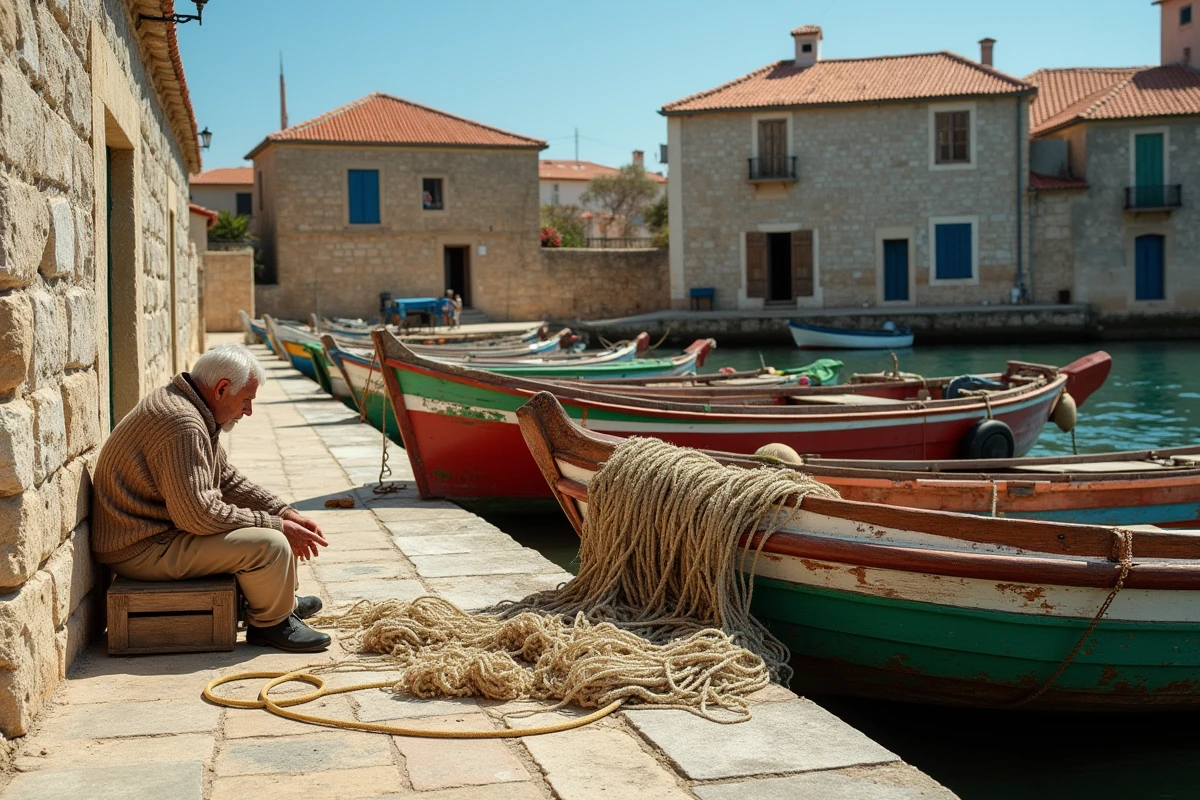
Not all fisherman’s houses are equal, even within the same village. Value concentrates on what are called “prime” micro-locations: immediate proximity to a busy beach or an active historic center. A property located two streets away, in a dead-end without shops or foot traffic, may be worth significantly less, and especially much harder to resell.
Why does this criterion matter so much? Because the market for fisherman’s houses remains a niche market. The number of potential buyers is limited. If your property only attracts charm seekers willing to pay a premium, you depend on a rare profile.
Algarve vs. Silver Coast: two purchasing logics
The Algarve, with its air service via Faro, attracts regular foreign demand. Quick access to an international airport protects liquidity upon resale. Prices are higher, seasonality is pronounced, but the pool of buyers remains large.
The Silver Coast (Costa de Prata) offers more accessible prices. In return, demand is more variable. A poorly located property in this area can stay on the market for many months. Before buying, ask yourself: if I had to resell in five years, how long would it take?
- In the Algarve, prioritize villages with stable tourist activity and a direct connection to Faro, which supports rental demand and resale.
- On the Silver Coast, target towns close to a train station or a main road, as isolation decreases the property’s liquidity.
- In both cases, check for the presence of year-round open shops: a ghost village off-season indicates a shallow market.
Rental restrictions and the Portuguese legal framework for real estate purchase
Buying a fisherman’s house to rent out part of the year seems logical. The problem is that tourist rental regulations in Portugal are evolving rapidly. Several municipalities have tightened the conditions for obtaining the Alojamento Local license in recent years. Some areas, particularly around Lisbon, have frozen the issuance of new licenses.
Before factoring in rental income into your profitability calculation, check with the town hall if the license is still obtainable in the targeted neighborhood. If the property already has an active license, that’s a real asset: an existing AL license can represent a significant portion of the property’s value.
Condition of the building and hidden renovation costs
Fisherman’s houses are appealing for their thick walls and compact volumes. But an old building by the sea suffers from salt moisture, leaks, and sometimes undersized foundations. The listed price almost never reflects the actual cost of bringing it up to standard.
Have an independent technical assessment done before making any offer. In Portugal, this step is not mandatory for the buyer, but it helps avoid unpleasant surprises. Pay particular attention to three points:
- The condition of the roof and the framework, especially if the roof is made of traditional tiles exposed to sea spray.
- The electrical system and plumbing, often outdated in properties not renovated for several decades.
- Urban compliance: some extensions or modifications made without permits can block a future resale or a rental license application.
Negotiating the price of a fisherman’s house without paying the dream premium
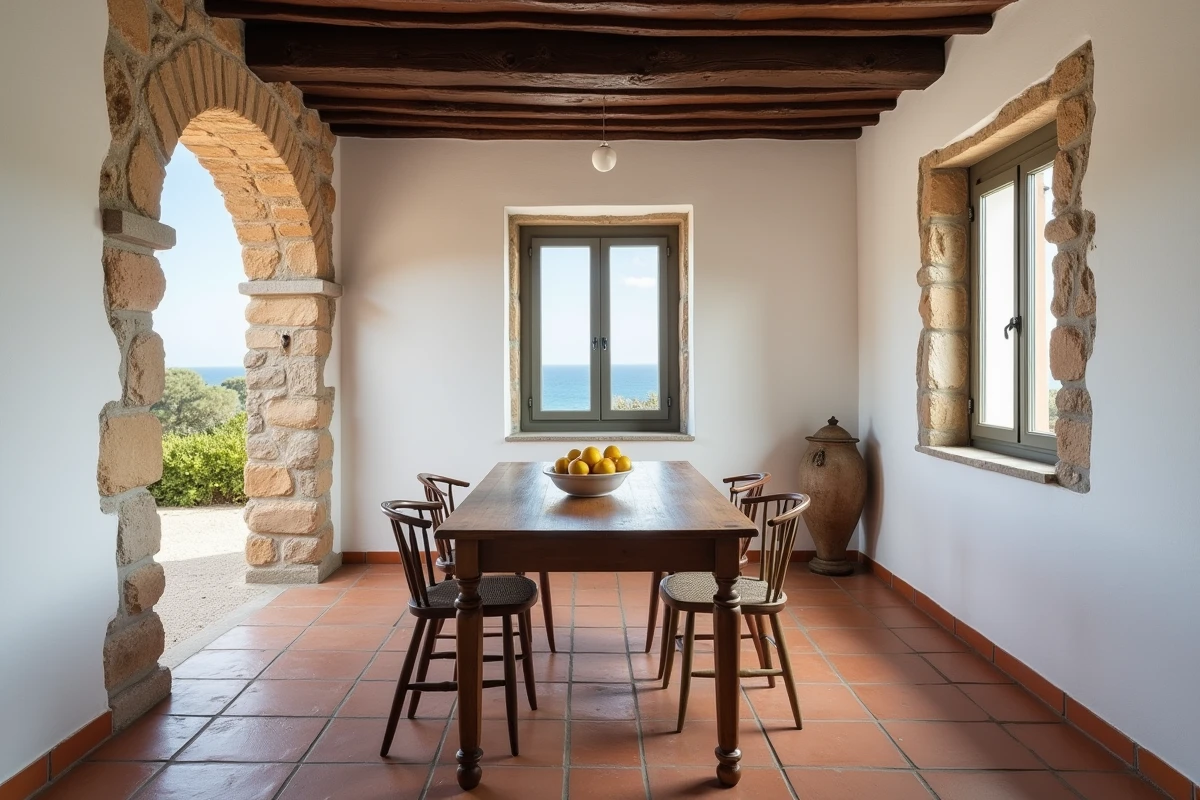
The market for fisherman’s houses operates on emotion. Sellers know this. An “Instagrammable” property often sells for above its actual technical value. The blue facade, the wooden shutter, the cobbled alley: all of this has a price, but that price is not always justified by the condition of the building or the rental potential.
Always compare with similar properties sold recently in the same municipality. Local real estate agents can provide this data, and the records from the conservatória do registo predial are public.
If the property requires work, estimate the costs before negotiating. A quote from a local craftsman provides a concrete lever against the seller. And if the coastal management plan classifies the area as moderate risk, that’s an additional argument to lower the price.
Portugal remains a market where human relationships matter. Spending time on-site, meeting neighbors, talking with local shopkeepers: these steps sometimes reveal private sales that do not appear on any real estate portal. The best deals are rarely found online.